

Tooth decay weakens a tooth from the inside out. Left alone, a small cavity can grow, cause sensitivity, and wear away more of the healthy structure around it. A composite filling repairs that damage by rebuilding the tooth's natural shape, so you can bite, chew, and smile with confidence again.
Composite fillings are made from a modern, tooth-colored resin. Because the material looks so much like natural enamel, it blends in with the rest of your smile. You get a strong repair that is also discreet, whether the cavity is on a back molar or a front tooth that shows when you talk.
At North Brunswick Family Dental & Orthodontics in North Brunswick, we work with up-to-date composite materials that bond directly to your natural tooth. This bond does more than fill the space left by decay. It also helps support the remaining tooth, giving you lasting protection that looks and feels natural.
You may hear composite fillings called "white" or "tooth-colored" fillings. That is because we match the shade of the resin to the teeth around it, so the repair is hard to spot. Composites contain no mercury and no metal, which is one reason many patients prefer them over older metal restorations.
Here is why so many people choose composite fillings:
This conservative approach is a core part of restorative dentistry: keep as much of your own tooth as possible while making it healthy and functional again. When a tooth has more damage than a filling can handle, we may talk with you about other options, such as crowns and caps.

Many cavities are found during a routine oral exam, often before they cause any pain. If we find one, the first step is to gently and carefully clear away the decayed part of the tooth. We numb the area with local anesthesia first so you stay comfortable, and most fillings are finished in just one visit.
Next, we place the composite resin a little at a time. Each thin layer is shaped by hand and then hardened with a special curing light. Building the filling layer by layer lets us sculpt it to follow the natural curves of your tooth and fit your bite.
To finish, we check how your teeth come together, make any small adjustments, and polish the filling until it feels smooth. The goal is a repair that feels like part of your own tooth when you close your mouth.
Your comfort matters to everyone at North Brunswick Family Dental & Orthodontics. We walk you through each step before we begin and answer any questions along the way. If dental visits make you nervous, just let us know. We are glad to talk about options like sedation dentistry to help you feel more at ease.
Your lips, cheek, or tongue may stay numb for a while after your visit as the local anesthesia wears off. Until the feeling comes back, take care not to bite these areas by accident. It can help to wait before eating anything that needs a lot of chewing.
For the first few days, the treated tooth may feel a little sensitive to hot or cold foods and drinks. This is common while the tooth settles in, and it usually fades without any treatment. If the sensitivity lingers, or if the tooth hurts when you bite down, please contact our office. We can take a look and fine-tune the filling if needed.
A composite filling can serve you well for many years when you take good care of it. A few simple habits make a big difference:
Routine visits through our preventive program help protect both your fillings and the health of your whole mouth. Families with children can also learn about our pediatric dentistry care.

If you think you may have a cavity, or if a tooth has started to feel sensitive, we would be happy to see you. You can request an appointment online or call us at (732) 249-4800.
We want every filling we place to look natural, feel comfortable, and support your oral health for the long run. If you have questions about composite fillings or treating a cavity, our team is here to help.
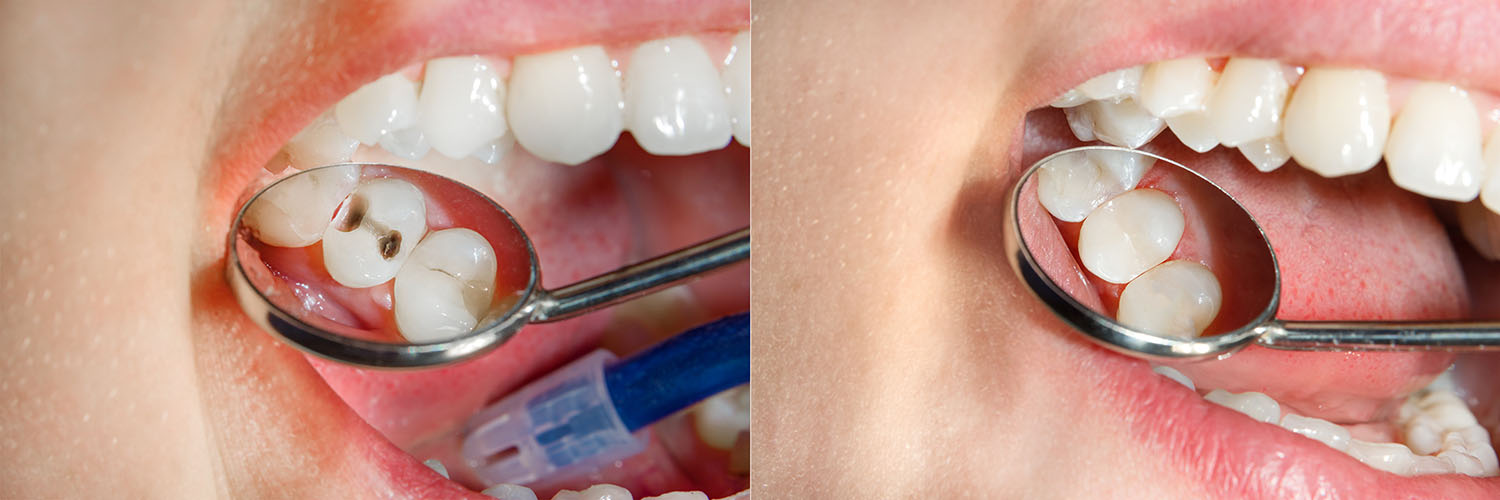
A dental filling repairs a tooth damaged by decay. After the decayed part is cleared away, the space is filled with material that restores the tooth's shape and function, so you can chew and bite comfortably again.
Fillings also help keep decay from spreading deeper into the tooth.
Some cavities cause no symptoms at first, which is why they are often found during a routine exam. When symptoms do appear, they can include:
If you notice any of these, schedule a visit so our team can take a look.
We numb the area with local anesthesia before starting, so you should stay comfortable during the visit. You may feel some pressure, but not sharp pain.
If you feel nervous about dental visits, tell our team. We are happy to talk through ways to help you relax.
Most fillings are completed in a single visit. The time depends on the size and location of the cavity and how many teeth need treatment.
Our team will walk you through each step before we begin, so you know what to expect.
A composite filling can serve you well for many years with good care. How long it lasts depends on things like the size of the filling, your bite, and your daily habits.
Brushing, flossing, and regular checkups let us monitor your fillings and catch problems early.
Your lips, cheek, or tongue may stay numb for a while. Until the feeling returns, it helps to wait before eating anything that needs a lot of chewing, so you do not bite yourself by accident.
Our team can give you guidance specific to your visit.
Yes, mild sensitivity to hot or cold is common for the first few days while the tooth settles. It usually fades on its own.
If sensitivity lingers, or the tooth hurts when you bite down, contact our office. We can check the filling and adjust it if needed.
Cost can depend on several things, including:
Our team at North Brunswick Family Dental & Orthodontics can review your situation and answer questions during your visit.
A filling works well for small to moderate decay. When a tooth has more damage than a filling can handle, such as a large cavity that has weakened much of the tooth, your dentist may recommend a crown to protect it.
We will examine the tooth and explain your options.
Let our North Brunswick office know right away. A filling that feels rough, loose, or uncomfortable may need a small adjustment or repair.
Acting early helps protect the tooth from new decay.